Illustration
Lighter than air, heavier than it looks
Our demonstrator has completed over 100 autonomous launch-and-recovery cycles. What the next aerostat changes, and why we care how it is used.
Saurabh Chalke, Co-founder and CTO
2 min read
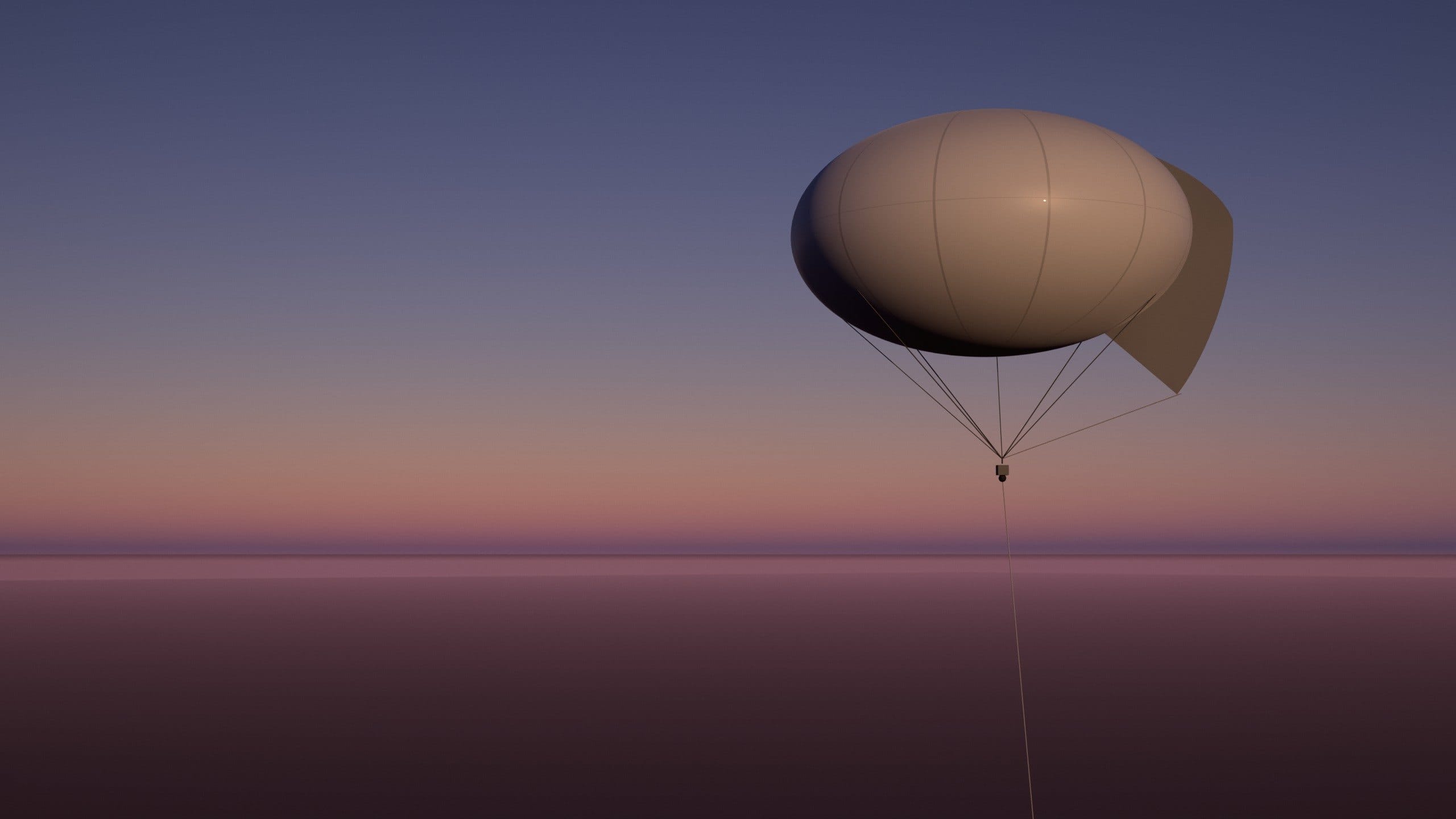
Just over a week ago we launched our autonomous aerostat demonstrator in Bengaluru and filmed its launch, flight and recovery from a drone. In field testing it has now completed over 100 autonomous launch-and-recovery cycles.
The team is already deep into the next version.
What changes next
The next aerostat is designed to keep flying through much more of the weather, and to run more of each flight on its own. Many smaller changes go with it. We will publish its weather limits once they are measured, with the conditions they were measured under.
At the same time, our first port and industrial pilots are starting.
More sites, more uses
Large aerostats have watched borders for decades, but launching and recovering one takes a big crew, so few sites can have one. An aerostat whose ground station launches, recovers and services it with a small crew could serve far more sites, in defence and civilian work alike. The missions are the first we plan to fly. Some of the later ones read like science fiction today.
Responsible use
The qualities that make an aerostat useful also make it easy to misuse. It can hold cameras and radio receivers over one place for long periods, and watch a wide area at a scale and efficiency that was not possible before. Turned on a country's own people, that is mass surveillance.
We want this technology deployed in ways that respect civil liberties and keep liberal democratic norms intact. We do not think that has to mean trading security against privacy. We would like aerostats to be a race to the top, and we want to help set the standards for their responsible use. On a port pilot, for example, what the cameras cover and keep is agreed with the port before the first flight.
We will share more about the next aerostat, and about how we approach this, over the coming months.
Watch the highlights from the first launch, or see the flight sequence on the platform page.
Build the next mission with us.
Sites, test teams, payload makers, investors and engineers. The founders read every message.