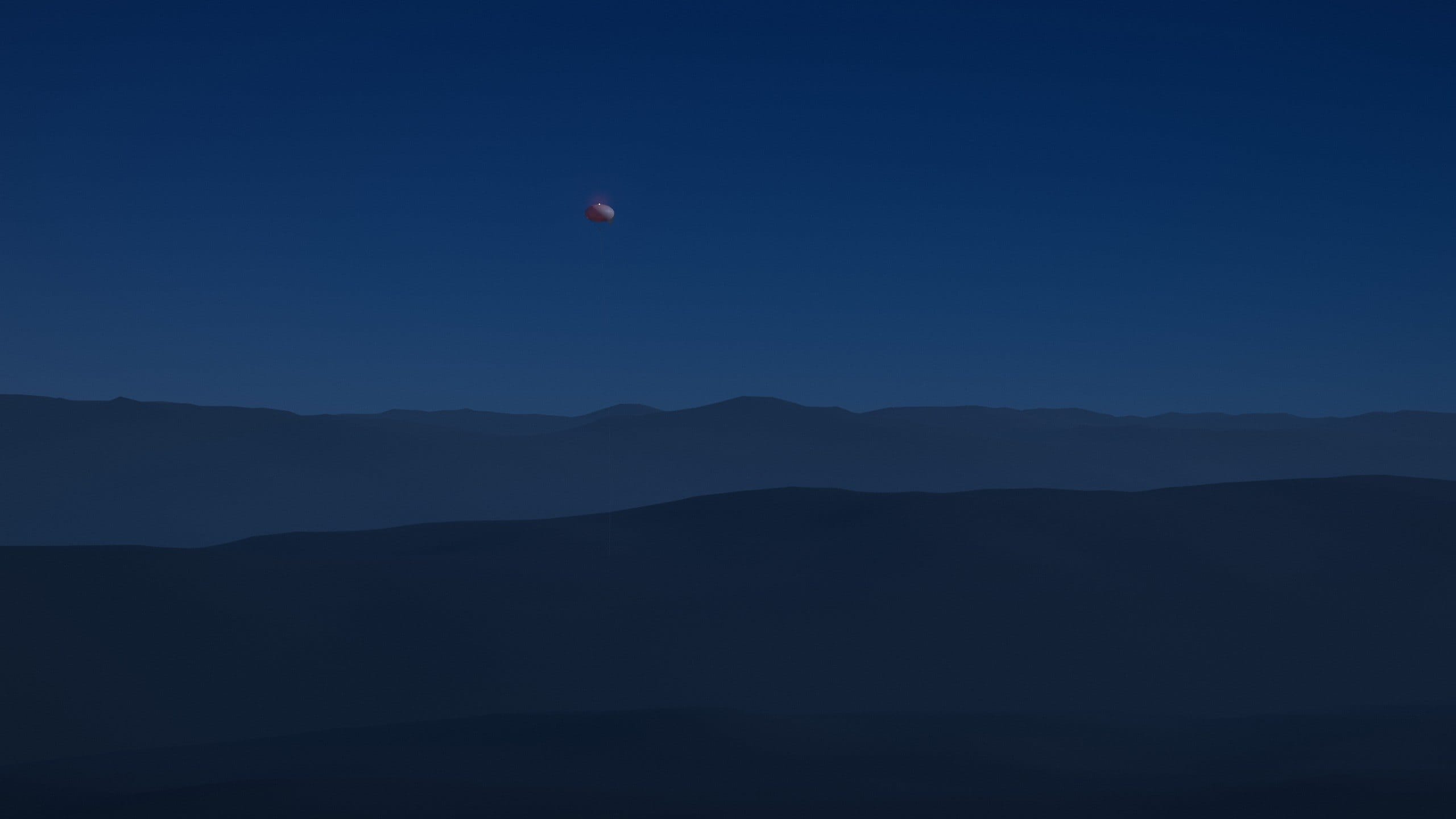
Illustration
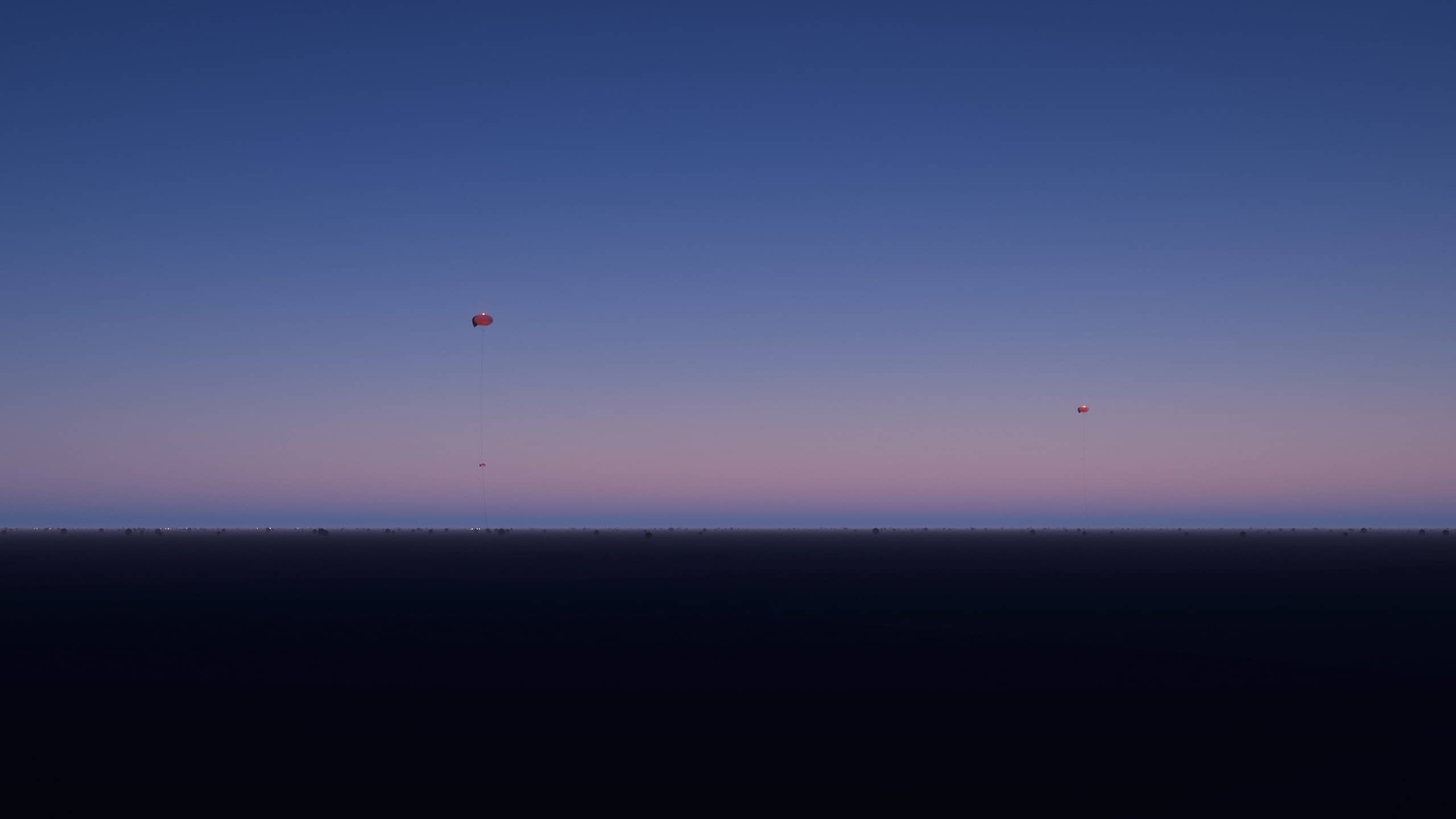
See low drones before they clear the ridge.
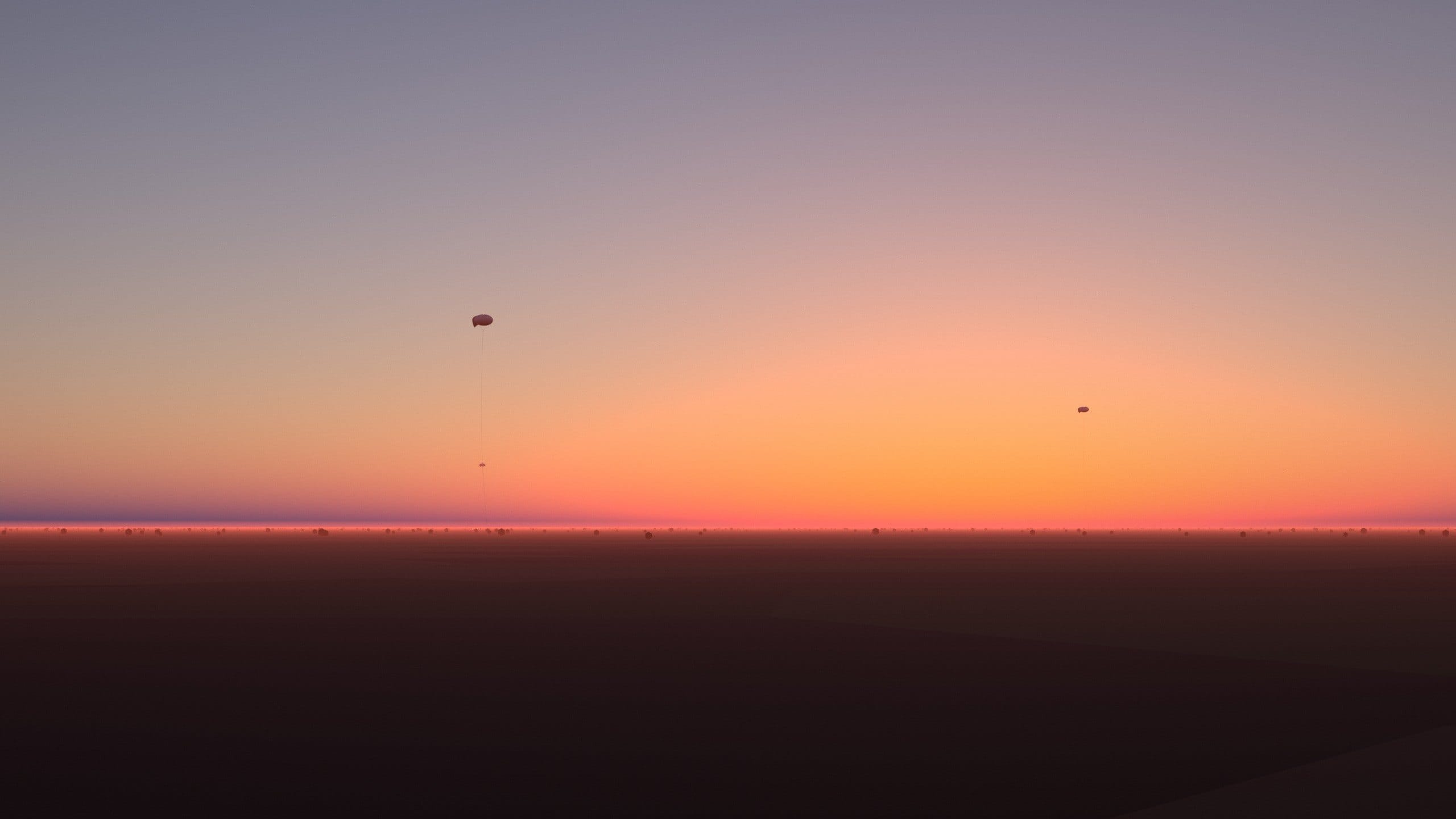
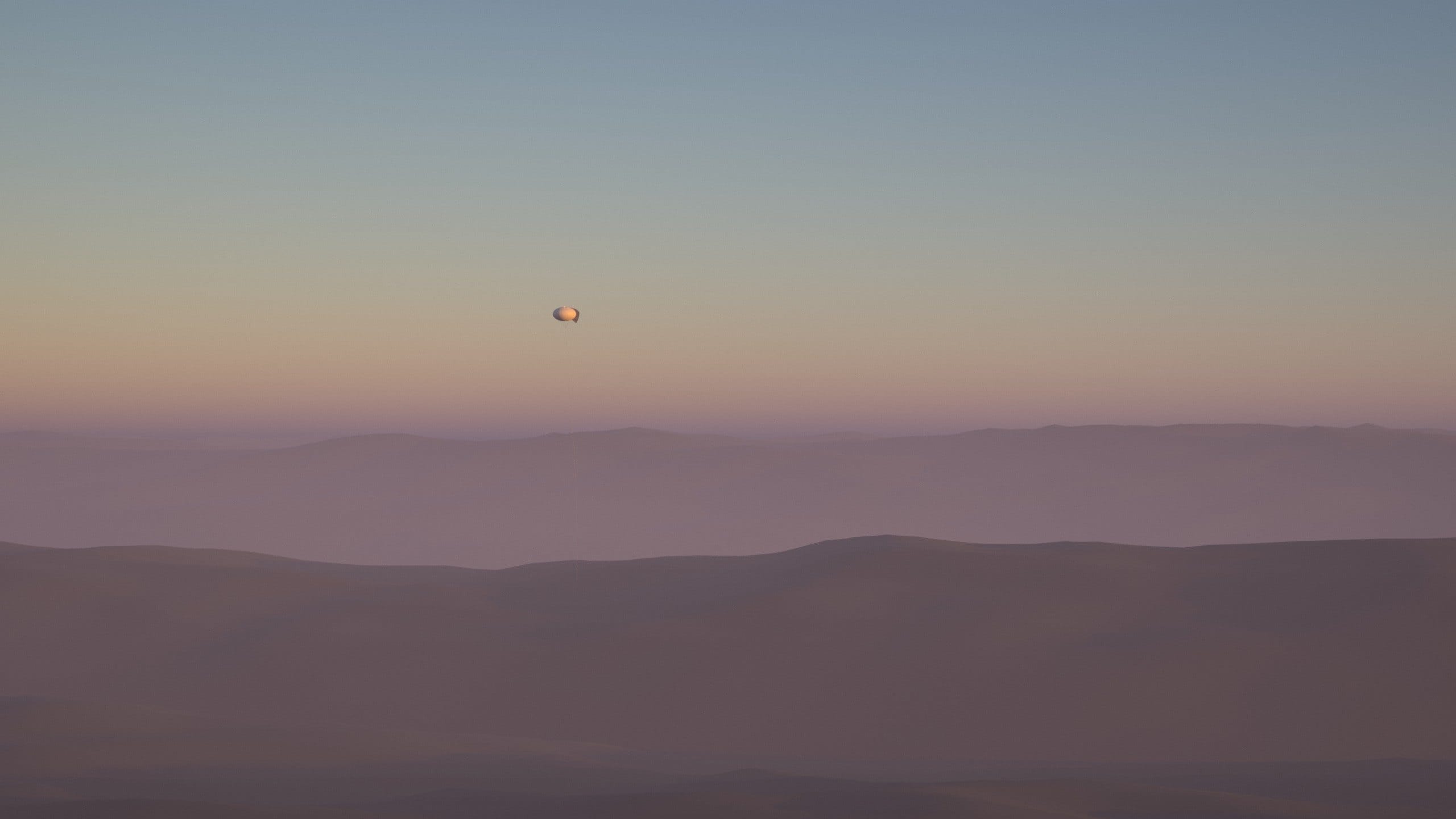
Radar, cameras and radio receivers held one to three kilometres above a site. Tracks go into the system you already use.
How it works
Low drones hide behind ridges, trees and buildings, so ground sensors see them late. From a kilometre up, there is far less in the way. How far a drone is actually detected depends on the sensor and the drone, and we will only quote it once measured.
Carries
- Radar
- Day and night cameras
- Passive RF
- Track output to C2
Where it stands
In development. Needs the 5 km-class aerostat, a later stage.
Line of sight
Higher sees further, and over the ridge.
Radio horizon
213km
From a sensor at 2 km to a target flying at 50 m. That is 3.9× the reach of a 40 m tower.
Horizon to a drone at 50 m
What it does
- 01
Radar
Tracks drones day and night, whether they transmit or not.
- 02
Cameras
Day and night, to confirm what the radar sees.
- 03
Radio receivers
Hear drone control and video links.
- 04
Track output
Into your existing security or command system.
Limits
What it cannot do, so a site knows what to plan around.
- Silent drones, such as fibre-guided ones, need radar and cameras to find.
- Haze, rain and dust shorten camera range.
- Needs approved airspace, which is hardest near airports.
Before we sell it
What we will measure and show first.
- Earlier tracks of known drones than the site's own sensors
- Measured false alerts and misses
- Uptime by weather and season
Questions
Can a tethered aerostat detect drones?
Yes, with the right sensors on board. The aerostat lifts radar, cameras and receivers above the terrain. How far they detect a drone depends on the sensor, the drone and the weather.
How far can a sensor on an aerostat see?
From 2 km up, the radio horizon to a target on the ground is about 185 km. That is a ceiling. A small drone is detected much closer, and we will publish that range once measured.

Have a site that needs earlier warning?
Tell us about the site or the test. We will tell you what we can do, and when.